
If you’re struggling to come up with story ideas for the first draft of your next bestseller, this list will help you find book ideas.
Writing a book requires some creativity, but sometimes you may struggle to come up with the best ideas for a new story. Creative writing prompts can get you started, but sometimes they aren’t enough. As you search for inspiration, you should know that your next great story may be at your fingertips.
Before you can start the writing process or the publishing process, you must find a story idea, and these ideas are often all around you. The funny thing your kid said or the crazy lady you saw on the way home from work can all be a starting point for the best stories. Whether you’re looking for a book idea or a short story idea, these ten tips can get you started.
Contents
- 1. Start with a Real-Life Story
- 2. Go with What (or Who) You Know
- 3. Dig into the Books You Love
- 4. Recreate a Tried and True Story
- 5. Embrace History
- 6. Use Writing Prompts
- 7. Ask “What If?”
- 8. Start Small
- 9. Look at Art
- 10. Pull from Your Life Experiences
- Find Book Ideas: The Final Word
- Further Reading
- Frequently Asked Questions
1. Start with a Real-Life Story
Finding book ideas involves drawing from real life, existing literature, and personal experience. Techniques used by authors like Stephen King include mining news headlines, reimagining classic fairy tales, and building characters from people you know. Studies show that over 80% of debut novelists draw from autobiographical experience for their first book concept.
Some of the best fiction comes from reality. You can find an idea for a plot from the headlines or historical stories. Use the real-life person’s life as a starting point, then build your own world, characters and plot around it.
As you consider what parts of reality you can pull from, don’t limit yourself to news stories or historic narratives. A non-fiction book on a self-help topic could spur the idea for a fiction book. The more you read and engage with the world around you, the more open you will be to a new idea.
2. Go with What (or Who) You Know
Build your book around someone you know. Maybe that eccentric relative that comes around at Thanksgiving could be the foundational character when you start writing your novel. Start paying attention to the people in your life, and see if you can build a character around your:
- Coworker
- Spouse
- Best friend
- Child
- Acquaintance
- Other family members
Of course, you shouldn’t use someone’s persona without their permission, but you can use mannerisms or mentality to build a character. Jot down these behaviors or character traits in a notebook to draw from when you have writer’s block.
3. Dig into the Books You Love

Is there a fiction book that’s really caught your eye in the past? Are you a Stephen King fan, or is there a New York Times bestselling author you love? Pick up their book, and dig into it, then ask yourself:
- What makes this book so enticing?
- How does this book make me feel?
- How does the author develop the characters?
- What plot tools does the author use to keep the story moving?
- Were there twists that made you come back for more?
- How did the overall storytelling make you want to read the book?
This type of analysis can help you discover a story that you will want to write, while also giving you creative writing tips you can use in your own book.
4. Recreate a Tried and True Story
Do you have a fable or fairy tale you’ve loved since you were a child? Start your story and book with that. Recreate it, giving it your own twist or character development, and see where the story takes you.
Fractured fairy tales are quite popular among fiction readers. Some stories take a classic, like Cinderella, and put it in a sci-fi world, while others twist the tale to make the evil witch the good guy and the beautiful princess the villain. Your creativity can make the classic tale truly your own if you take the time to dig into it a little bit.
5. Embrace History
If you are still facing writer’s block about your book topic, take some time to do some research. Is there an era of history that appeals to you? Start digging into the historical record and see if you stumble upon some information.
As an added perk, you can use the information you dig up in your research to make your book more historically accurate. While you’re looking for a story idea, you are gathering data you can use in your book.
6. Use Writing Prompts
Sometimes, even with the most research, authors just can’t seem to get started. When you find yourself in this boat, writing prompts can help.
To use writing prompts well, start with a general idea of where you want your story to fall. Do you picture yourself with a sci-fi thriller, a murder mystery or a romance set in a small town? Once you have a basic genre, find writing prompts that will get your creative juices flowing.
7. Ask “What If?”
When something happens in your daily life that seems a little mundane, stop for a moment and ask “What if?” What if your holiday gift at work was a lottery ticket that won millions? What if your chance encounter at the fast-food restaurant led to a lifelong romance?
The question of “What if?” gives you the chance to explore possibilities in your daily life events. You just might stumble on a great idea for a bestseller if you do.
8. Start Small
Even if your goal is to write a book, start with a short story. This will let you dabble in fiction writing and developing the main character, plot and setting. If the short story is a success, build on it to create a full book.
9. Look at Art
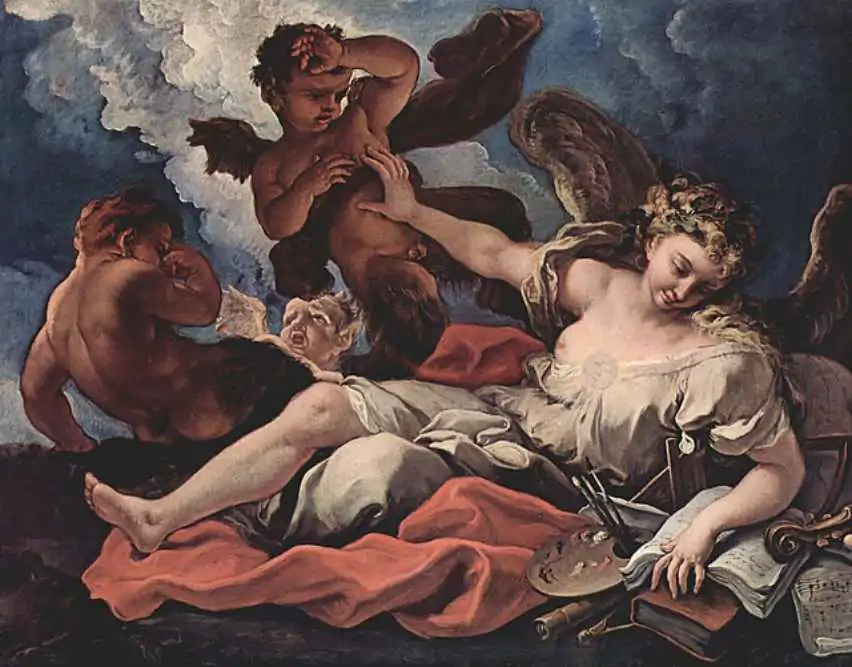
When a great idea is simply eluding you, consider looking at a different form of art. Take in a painting from a great master, and ask yourself what is really happening in the scene. As you study the art and get a feel for the emotions, color, setting and time period, you just might find it inspires writing ideas.
10. Pull from Your Life Experiences
A good writer is one who has many life experiences that inspire writing ideas. While your books should not look like your day-to-day life, you can use nuggets from your life to inspire your fiction writing.
That random meeting you had last week could be a plot twist that takes your book in a new direction. The difficulties you had in high school could inspire a novel about getting through these formidable years.
Great writing is often great because the person who writes it has a personal connection. Use your life to inspire your fiction writing journey.
Find Book Ideas: The Final Word
Authors who struggle to find book ideas to write may be looking in the wrong places. By taking the time to explore the life around you and your own life experiences, pulling from artists and authors you love and discovering the stories of people you know, you can find a winning idea for your first book.
Read our guide How to Write a Book
Further Reading
- Our Always Up-to-Date List of Great Books to Read
- Best Productivity and Time Management Books
- Best Self-help Books
- The Best Writing Books
- Best Leadership Books
- Best Grammar Books
- Best Writing Books
- Best Sci-Fi Books
- Best Dystopian Novels
- Audible: Is It Worth It?
- Best Philosophy Books
- Best Creativity Books
- Best Business Audiobooks
Frequently Asked Questions
What are the best ways to find book ideas?
The best ways to find book ideas include drawing from real-life events or news headlines, basing characters on people you know, and analyzing books you love to understand what makes them compelling. Reimagining classic fairy tales or fables with a modern twist is another proven method. Keeping a notebook of observations and behaviors helps capture inspiration before it fades.
Successful authors like Stephen King often draw ideas from everyday life, personal fears, and news stories, then build fictional worlds around those kernels of reality. Many bestselling authors recommend reading widely across genres to expose themselves to diverse storytelling techniques. Observing human behavior and asking ‘what if’ questions are two of the most commonly cited methods.
What is a fractured fairy tale and how can it help generate book ideas?
A fractured fairy tale is a retelling of a classic story that subverts, parodies, or reimagines the original characters, setting, or plot. Books like Gregory Maguire’s ‘Wicked’ and Marissa Meyer’s ‘The Lunar Chronicles’ are popular examples of this approach. Starting with a familiar structure gives writers a scaffold while still allowing full creative freedom in character development and plot.
Can real people be used as inspiration for fictional characters?
Yes, real people can serve as inspiration for fictional characters, but authors should avoid using someone’s full identity or likeness without permission to prevent legal and ethical issues. Instead, writers are advised to borrow specific mannerisms, speech patterns, or personality traits rather than recreating an entire individual. Jotting these traits in a notebook helps build a rich character bank over time.
How can reading other books help you develop your own book idea?
Analyzing books you admire helps you identify the storytelling techniques, plot structures, and character development strategies that resonate with readers. Asking questions like ‘what makes this book enticing’ or ‘how does the author sustain tension’ reveals craft elements you can adapt for your own work. This method both sparks original ideas and builds your technical skills as a writer.